Professional diagnostic equipment used by repair shops, refurbishment facilities, and electronics service providers. Improve troubleshooting accuracy, accelerate repair workflows, and support board-level diagnostics.
Why Diagnostic Equipment Matters
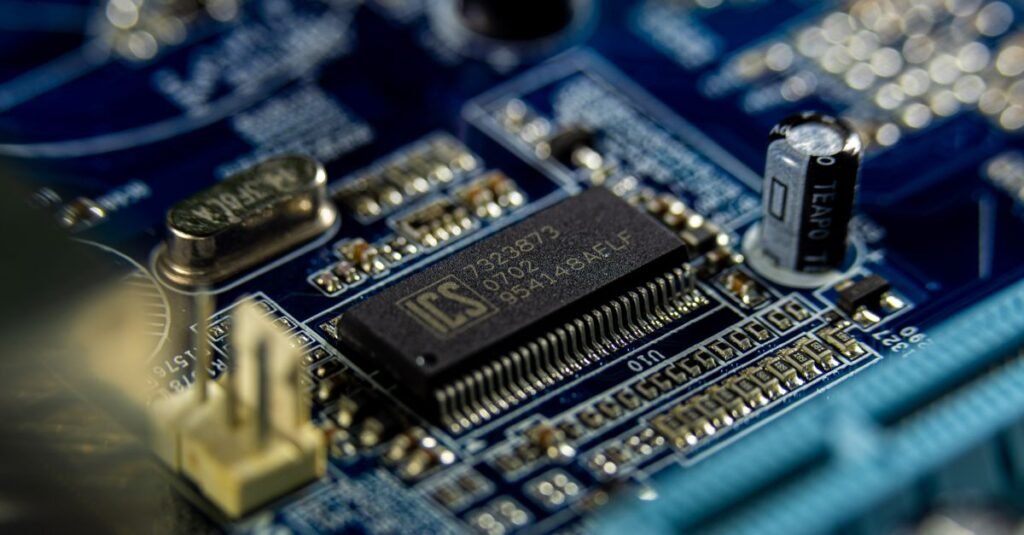
Diagnostic equipment helps technicians identify hardware failures, power issues, storage problems, and board-level faults efficiently. Accurate diagnostics improve repair success rates and reduce unnecessary component replacement.
Common Diagnostic Equipment
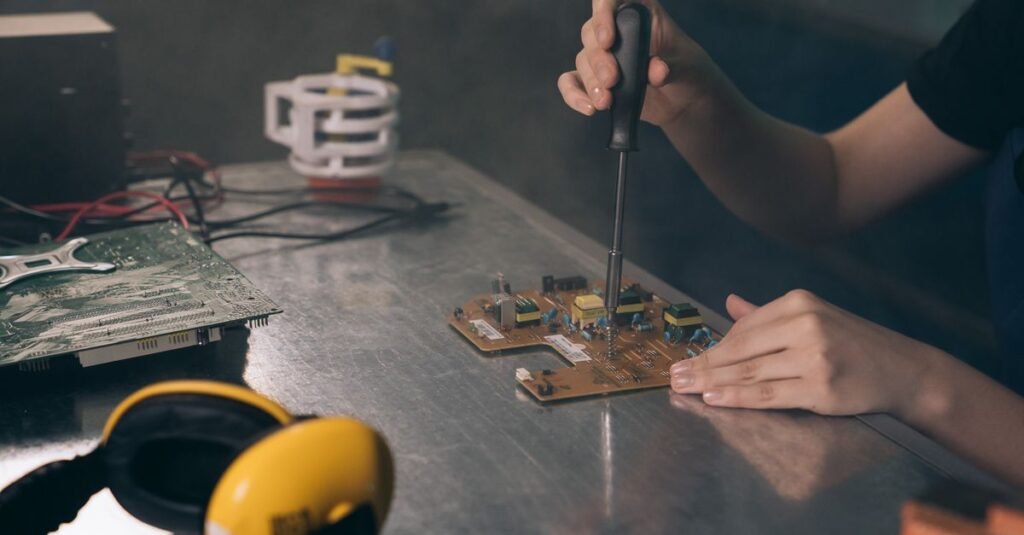
Repair technicians rely on specialized tools to analyze electronic failures, verify repairs, and improve workflow efficiency.
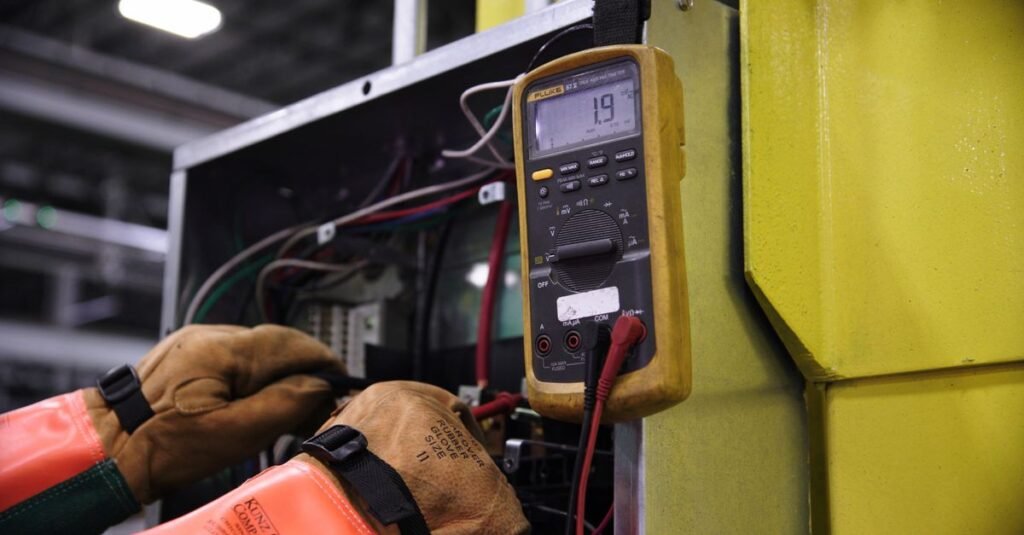
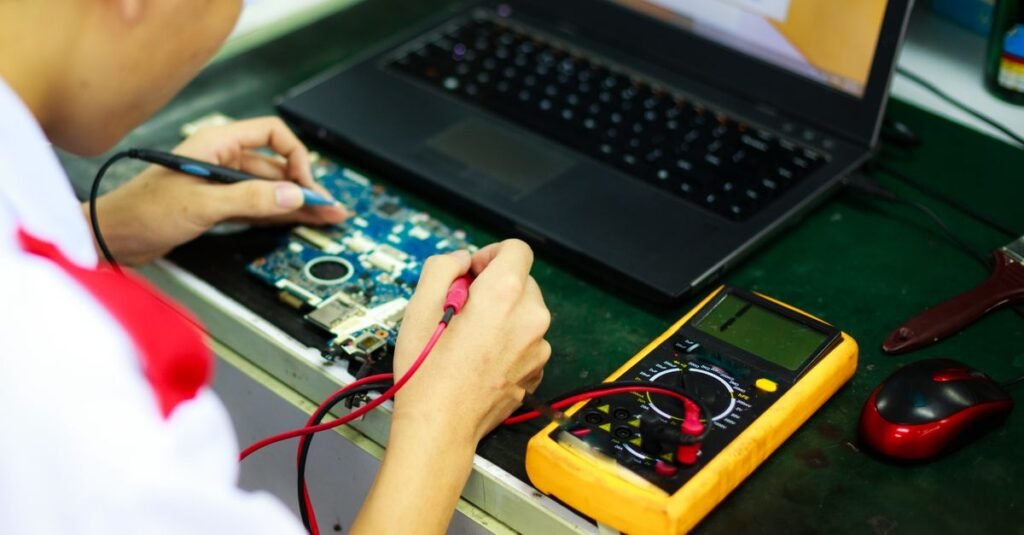
Digital Multimeters
DC Power Supplies
Thermal Imaging Cameras
Stereo Microscopes
Oscilloscopes
NAND Programmers
Diagnostic Applications
Diagnostic equipment supports troubleshooting, component-level repair, refurbishment, and quality control operations.
Logic Board Troubleshooting
Power Consumption Analysis
Water Damage Inspection
Storage Failure Diagnosis
Quality Control Verification
Diagnostic Tools for Repair Operations
Reliable diagnostic equipment helps improve repair accuracy, reduce turnaround time, and support advanced troubleshooting workflows.