
iPhone Recovery
Professional iPhone recovery solutions for repair shops, refurbishment facilities, and electronics service providers. Support data extraction, storage diagnostics, device restoration, and recovery workflows for damaged or malfunctioning iPhones.
Why iPhone Recovery Matters
iPhone recovery services help restore lost data, recover inaccessible devices, and improve repair outcomes. Recovery workflows support storage failures, software corruption, water damage, and board-level repair situations.



Common Recovery Methods
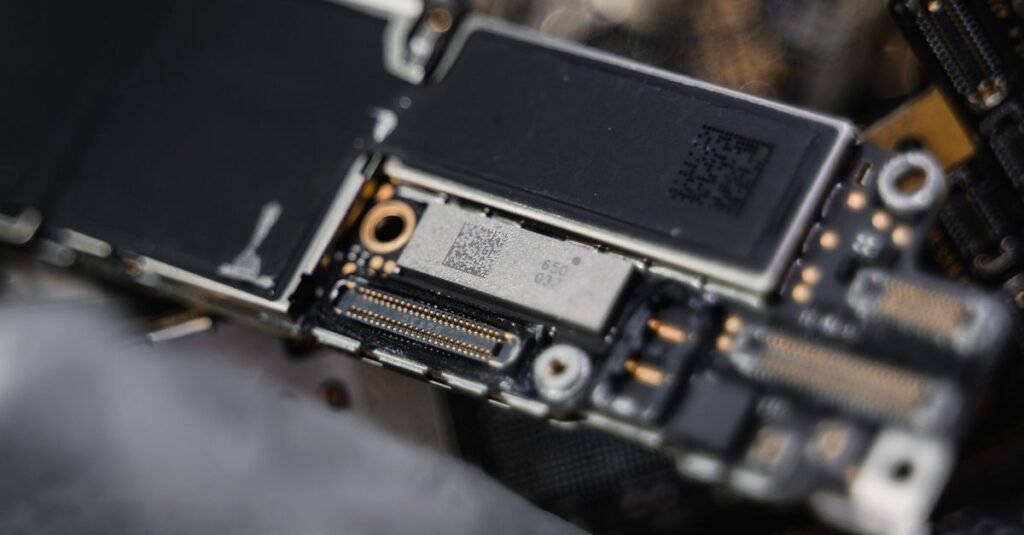
iPhone recovery workflows combine software tools, storage diagnostics, and board-level repair techniques to maximize recovery success.
- iOS Recovery Procedures
- Data Extraction Methods
- NAND Diagnostics
- Backup Restoration
- Board-Level Recovery
Recovery Applications
Recovery services are commonly used for damaged devices, storage failures, software corruption, and data retrieval projects. ul>
- Deleted Data Recovery
- Boot Loop Recovery
- Storage Failure Recovery
- Water Damage Recovery
- Device Restoration
iPhone Recovery Solutions
Recovery workflows help restore device functionality, recover important data, and support advanced repair operations.
F.A.Q.
iPhone Recovery Resources
iPhone recovery refers to the process of restoring lost data, recovering inaccessible devices, and repairing storage or software-related failures that prevent normal operation.
Yes. Depending on the condition of the device, photos, contacts, messages, and other important files may be recoverable through specialized recovery procedures.
Data loss can result from accidental deletion, software corruption, failed updates, storage damage, liquid exposure, or hardware failures.
In many cases, data recovery is possible after liquid damage if the device is properly diagnosed and treated before severe corrosion occurs.
NAND programmers, storage analyzers, and specialized diagnostic platforms are commonly used.
Technicians use diagnostic software, board-level inspection, power analysis, and storage testing tools to identify the source of the failure.
Recovery options may include system restoration, data extraction, NAND diagnostics, firmware repair, or board-level troubleshooting depending on the cause.
Related Articles
No posts found.