
Testing Equipment
Professional testing equipment supports electronics diagnostics, troubleshooting, repair verification, quality control, and manufacturing inspection across modern electronics operations.
Testing Equipment for Electronics Diagnostics
Testing equipment helps technicians identify faults, verify repairs, evaluate component performance, and improve diagnostic accuracy across electronics repair and manufacturing environments.
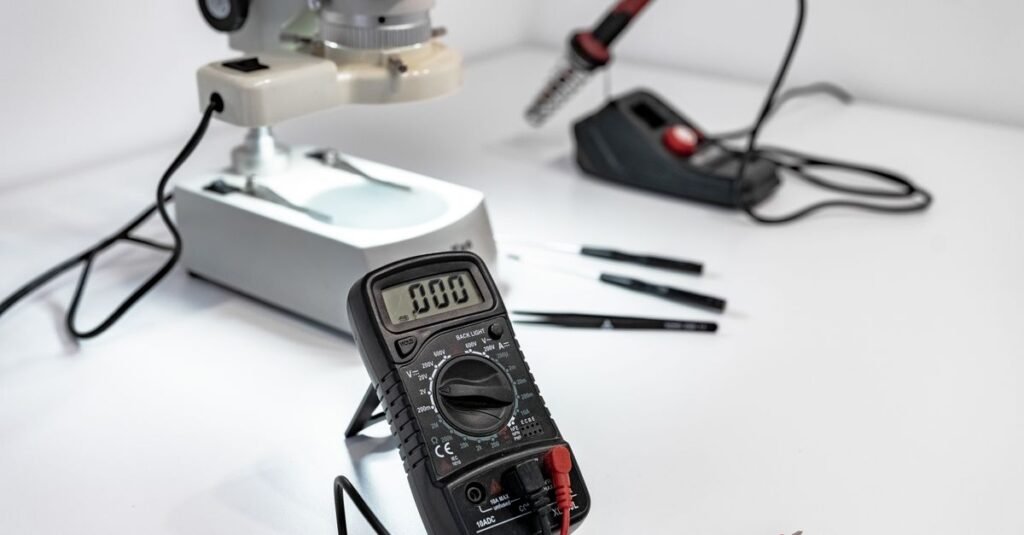
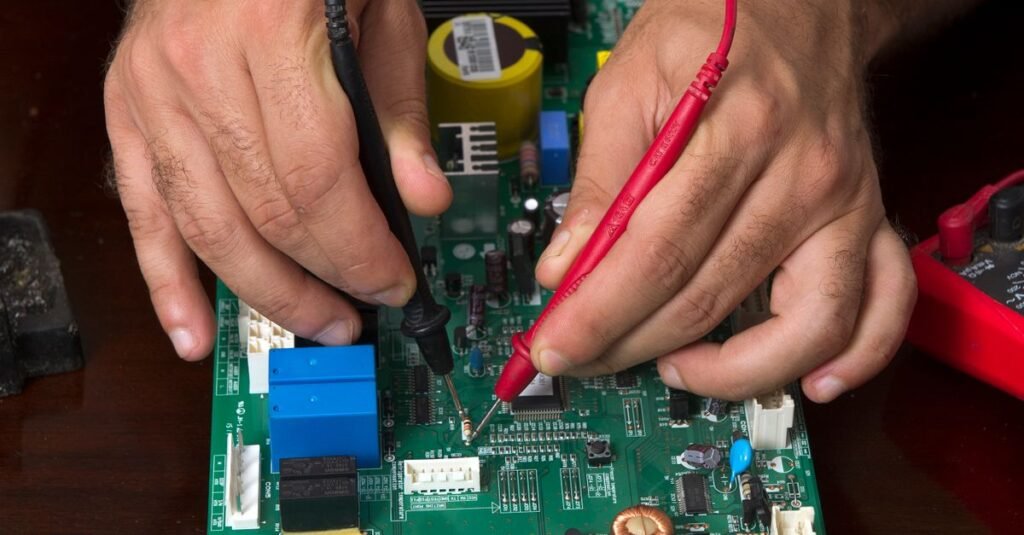
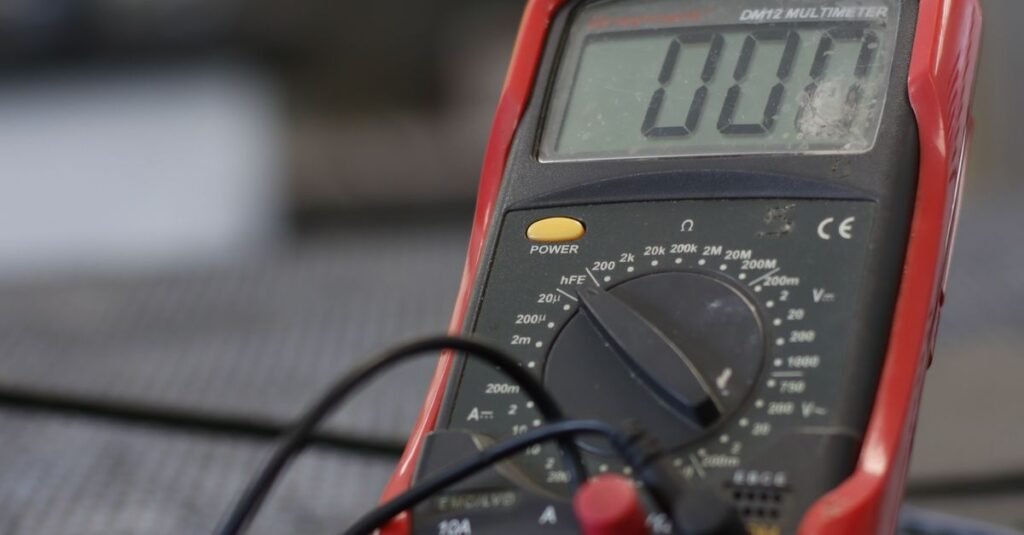
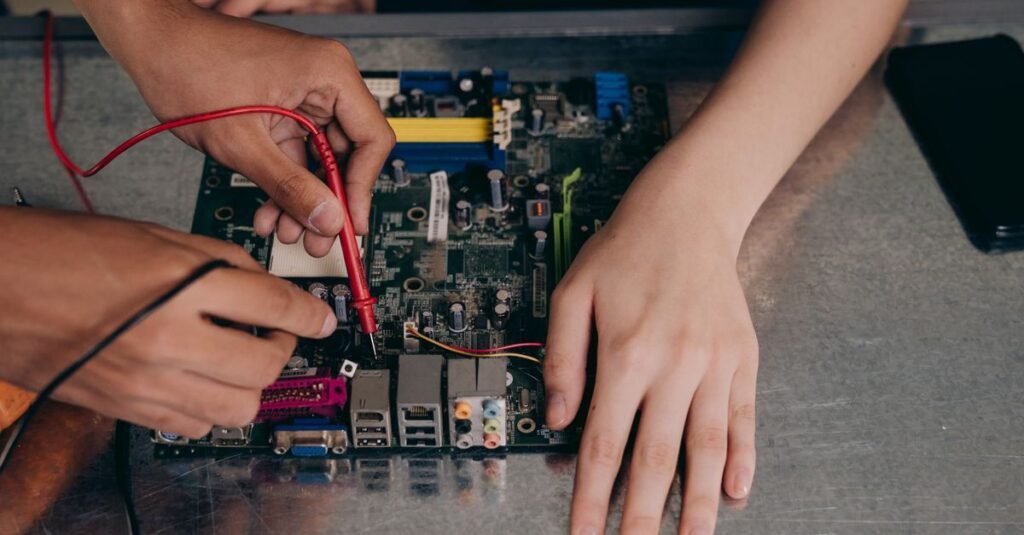
Common Testing Equipment Solutions
Electronics repair facilities rely on specialized testing equipment designed for diagnostics, verification, troubleshooting, and quality assurance applications.
- Digital Multimeters
- DC Power Supplies
- Battery Testers
- USB Testers
- Thermal Cameras
- Oscilloscopes
- Signal Testing Equipment
- Diagnostic Systems
Electronics Industry Applications
Testing equipment is widely used across repair centers, manufacturing facilities, refurbishment operations, and technical laboratories.
- Mobile Device Repair Shops
- Data Recovery Laboratories
- PCB Repair Facilities
- Electronics Manufacturing Plants
- Quality Control Laboratories
- Refurbishment Centers
- Technical Training Facilities
- OEM Service Centers
Testing Equipment & Diagnostic Accuracy
Selecting the right testing equipment depends on diagnostic requirements, measurement precision, repair workflows, and operational efficiency goals.
F.A.Q.
Testing equipment is used to diagnose faults, verify repairs, measure performance, and support quality control processes.
Multimeters help technicians measure voltage, current, resistance, and continuity during troubleshooting and repair procedures.
DC power supplies provide controlled voltage and current for diagnostics, repair verification, and motherboard testing.
Battery testers evaluate battery capacity, health, charging performance, and overall reliability.
Thermal cameras help identify overheating components, short circuits, and abnormal power consumption patterns.
Repair centers commonly use multimeters, power supplies, battery testers, USB testers, thermal cameras, and diagnostic systems.
Electronics repair, manufacturing, refurbishment, quality control, data recovery, and technical training facilities all rely on testing equipment.
Buyers typically compare measurement accuracy, reliability, ease of use, durability, calibration requirements, and compatibility with existing workflows.
Related Articles
No posts found.