
Supplier Verification
Supplier verification evaluates manufacturers, component suppliers, and refurbishment partners to ensure they meet defined quality, compliance, and production standards. A structured verification process helps reduce supply chain risks, improve product consistency, and build long-term business partnerships.
Why Supplier Verification Matters
Supplier verification helps businesses identify qualified manufacturing partners, maintain consistent product quality, reduce supply chain risks, and improve procurement confidence.
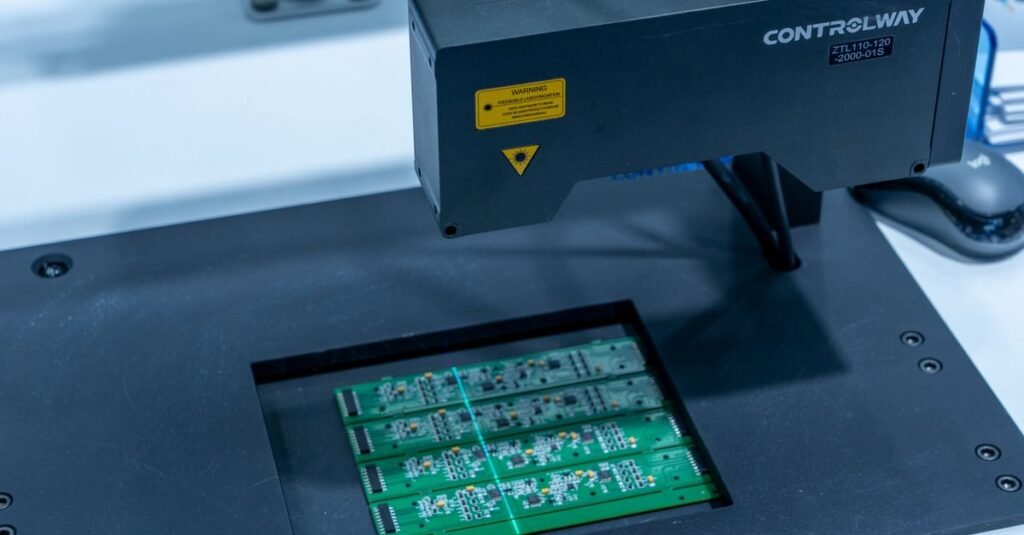

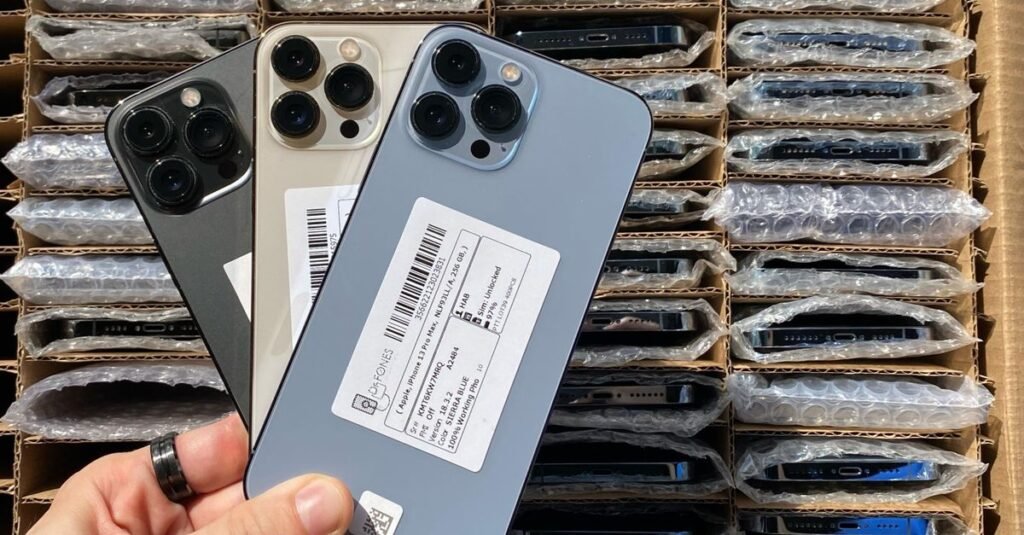

Supplier Verification Process
Supplier verification follows a structured evaluation process to ensure manufacturers and suppliers consistently meet quality, compliance, and operational requirements.
nn- n
- Business License Verification n
- Factory Capability Assessment n
- Production Capacity Review n
- Quality Management Evaluation n
- Certification Verification n
- Sample Product Inspection n
- Ongoing Supplier Performance Monitoring n
Common Verification Applications
Supplier verification is widely used throughout global sourcing, contract manufacturing, procurement, and supply chain management to reduce operational risks.
n- n
- OEM Manufacturing n
- ODM Production n
- Electronics Manufacturing n
- Component Procurement n
- Global Sourcing n
- Wholesale Distribution n
- Supply Chain Management n
- Contract Manufacturing n
- Electronic Component Suppliers n
- Repair Parts Suppliers n
Build Reliable Partnerships Through Supplier Verification
Verifying suppliers before production helps improve product quality, reduce sourcing risks, and establish long-term business relationships.
F.A.Q.
Supplier verification is the process of evaluating manufacturers and suppliers to ensure they meet quality, compliance, and production requirements.
It reduces sourcing risks, improves product consistency, and helps businesses select reliable manufacturing partners.
Supplier verification typically includes business qualification, factory assessment, certification review, production capability evaluation, and sample inspection.
Suppliers are assessed based on manufacturing capability, quality systems, certifications, production capacity, and historical performance.
Standardized inspection procedures help identify defects early, improve consistency, and reduce customer returns.
Depending on the industry, suppliers may hold ISO, CE, RoHS, FCC, GMP, or other relevant certifications.
Supplier performance should be reviewed regularly through audits, quality inspections, and performance evaluations.
Supplier verification improves procurement decisions, reduces product defects, and strengthens long-term supply chain reliability.
Selecting qualified suppliers helps ensure consistent materials, manufacturing processes, and product quality throughout production.
Related Articlesn
No posts found.