
Testing Methods
Testing methods combine visual inspection, functional testing, burn-in testing, diagnostic analysis, and quality verification to evaluate refurbished electronic devices. Standardized testing procedures improve product reliability, reduce defects, and ensure consistent quality before shipment.
Why Testing Methods Matter
Standardized testing methods help identify defects, verify device performance, improve refurbishment quality, and ensure consistent inspection results across every stage of the quality control process.
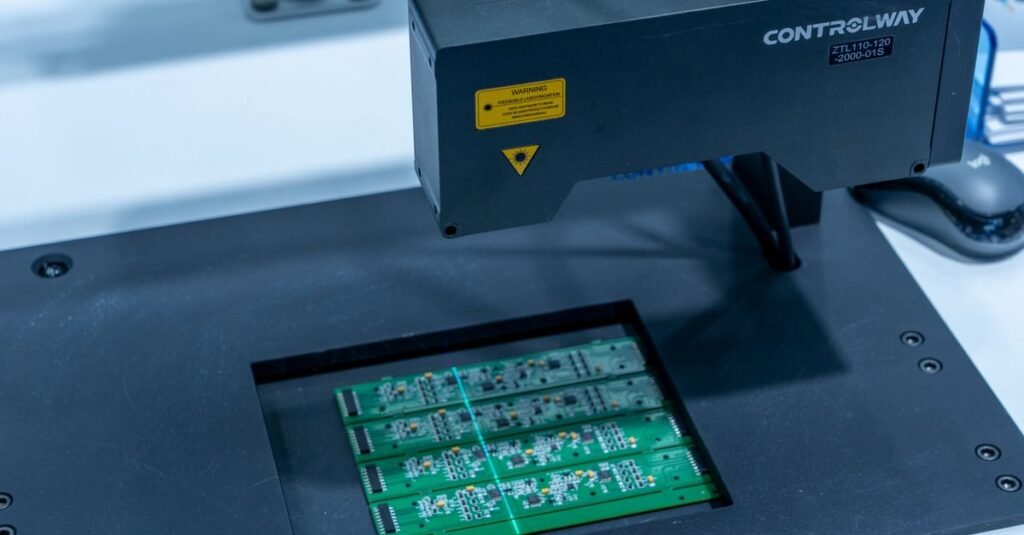

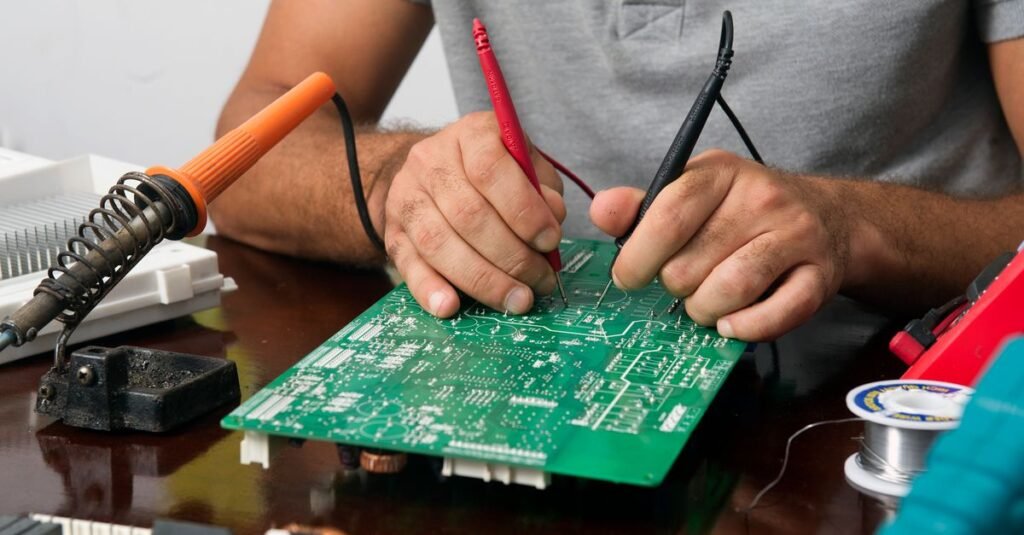
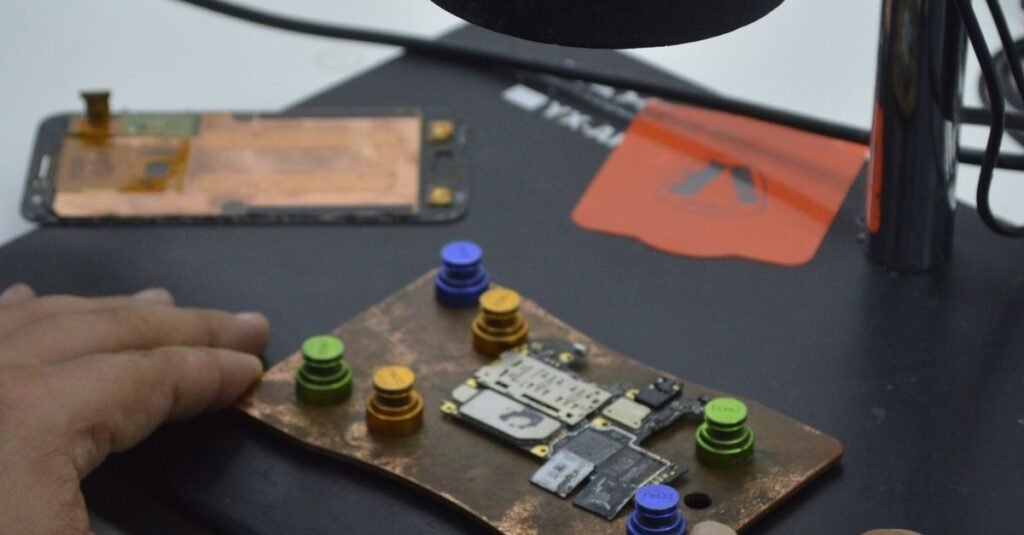
Common Testing Methods
Professional refurbishment facilities combine multiple testing methods to evaluate cosmetic condition, hardware functionality, and long-term reliability before products are approved for shipment.
nn- n
- Visual Inspection n
- Functional Testing n
- Burn-In Testing n
- Automated Diagnostic Testing n
- Manual Hardware Inspection n
- Performance Verification n
- Final Quality Validation n
Applications Across Industries
Testing methods are widely implemented throughout refurbishment centers, repair facilities, manufacturing operations, and quality control laboratories to ensure consistent product quality.
nn- n
- Mobile Device Refurbishment n
- Repair Service Centers n
- Electronics Manufacturing n
- Quality Control Laboratories n
- OEM Production n
- Trade-In Processing n
- Wholesale Distribution n
Improve Inspection Accuracy Through Testing Methods
Verifying suppliers before production helps improve product quality, reduce sourcing risks, and establish long-term business relationships.
F.A.Q.
Testing methods are standardized inspection procedures used to evaluate the cosmetic condition, functionality, reliability, and quality of electronic devices.
They help identify defects, improve product consistency, and ensure devices meet quality standards before shipment.
Common methods include visual inspection, functional testing, burn-in testing, diagnostic analysis, and final quality verification.
Manual testing relies on technicians, while automated testing uses specialized equipment and diagnostic software for faster, standardized inspections.
Yes. Functional testing is one of the most important testing methods used during refurbishment.
They identify defects early, verify device performance, and improve consistency across refurbishment operations.
Quality control inspectors, refurbishment technicians, and manufacturing engineers perform standardized testing procedures.
Testing methods should be reviewed regularly to reflect new technologies, quality standards, and product requirements.
Related Articlesn
No posts found.