
Procurement Systems

Optimize procurement operations with modern purchasing systems that streamline supplier management, automate procurement workflows, improve inventory planning, and reduce operational costs across the supply chain.

Why Procurement Systems Matter

Modern procurement systems improve purchasing efficiency by automating procurement workflows, managing supplier relationships, controlling inventory, and providing greater visibility across the supply chain.
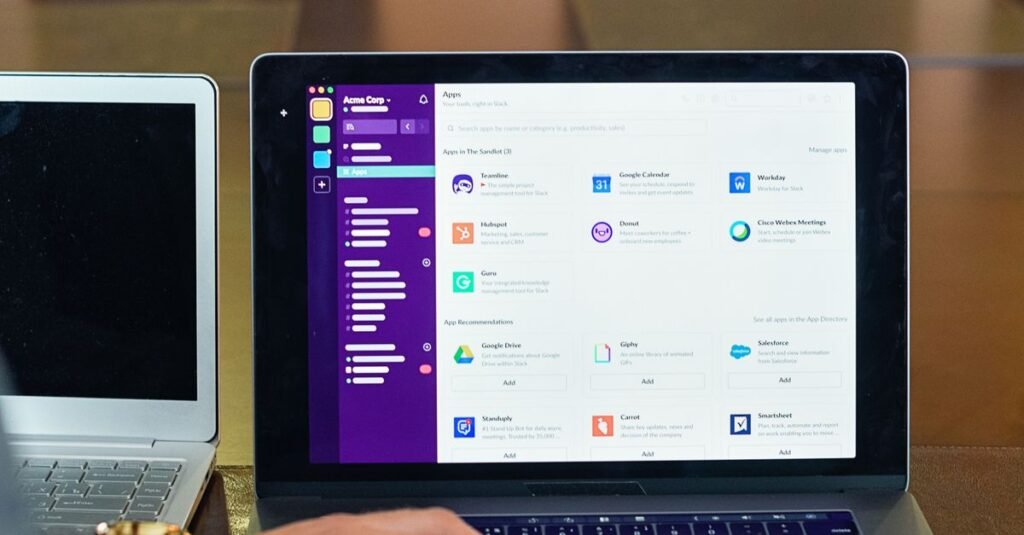

Business professionals collaborate using laptops in a modern office setting, enhancing productivity and teamwork.
Group of diverse coworkers in formal wear gathering around table with laptop and documents during business meeting
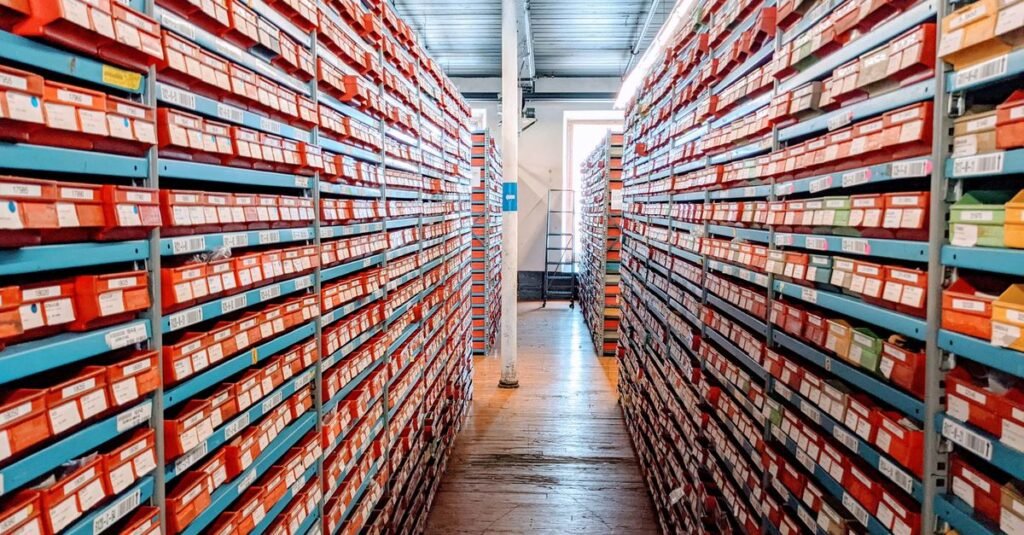
A well-organized warehouse aisle filled with red shoe boxes on shelves, showcasing efficient inventory storage.
Close-up of hands on a laptop keyboard with a business dashboard on screen, ideal for finance or tech themes.

Procurement System Features

Procurement systems help businesses automate purchasing processes, improve supplier collaboration, and manage procurement activities from request to payment.

  • Purchase Requisition
  • Purchase Order Management
  • Supplier Database
  • Vendor Performance Tracking
  • Contract Management
  • Inventory Planning
  • Approval Workflows
  • Procurement Analytics
  • ERP Integration
  • Reporting & Dashboards

Industries We Serve

Procurement systems support organizations that manage supplier relationships, purchasing operations, inventory planning, and enterprise supply chains.

  • Mobile Repair Businesses
  • Electronics Distributors
  • Wholesale Companies
  • Manufacturers
  • E-commerce Businesses
  • Enterprise Service Providers
  • Retail Businesses
  • Commercial Procurement Teams

Modernize Your Procurement Process

Improve purchasing efficiency through automated procurement workflows, supplier collaboration, inventory visibility, contract management, and data-driven decision making.

F.A.Q.

A procurement system is a platform that helps businesses manage purchasing activities, supplier relationships, purchase orders, approvals, inventory planning, and procurement reporting through a centralized workflow.
Procurement systems improve purchasing efficiency by automating procurement processes, reducing manual work, strengthening supplier collaboration, and providing better visibility across the supply chain.
Procurement systems automate purchase requests, approvals, purchase orders, supplier communications, and reporting, helping businesses reduce processing time, improve accuracy, and increase operational efficiency.
Modern procurement systems typically include purchase requisitions, purchase order management, supplier databases, approval workflows, inventory planning, procurement analytics, reporting dashboards, and ERP integration.
Procurement systems centralize supplier information, monitor vendor performance, manage contracts, track purchasing history, and improve communication throughout the procurement process.
Yes. Most modern procurement systems integrate with ERP, accounting, inventory management, warehouse management, and financial systems to streamline business operations.
Businesses reduce procurement costs through supplier comparison, automated purchasing workflows, approval controls, inventory optimization, spend analysis, and better supplier negotiations.
Procurement systems benefit manufacturers, distributors, wholesalers, retailers, repair businesses, enterprise organizations, and any company managing supplier relationships and purchasing operations.

Related Articles

No posts found.