
Sustainability
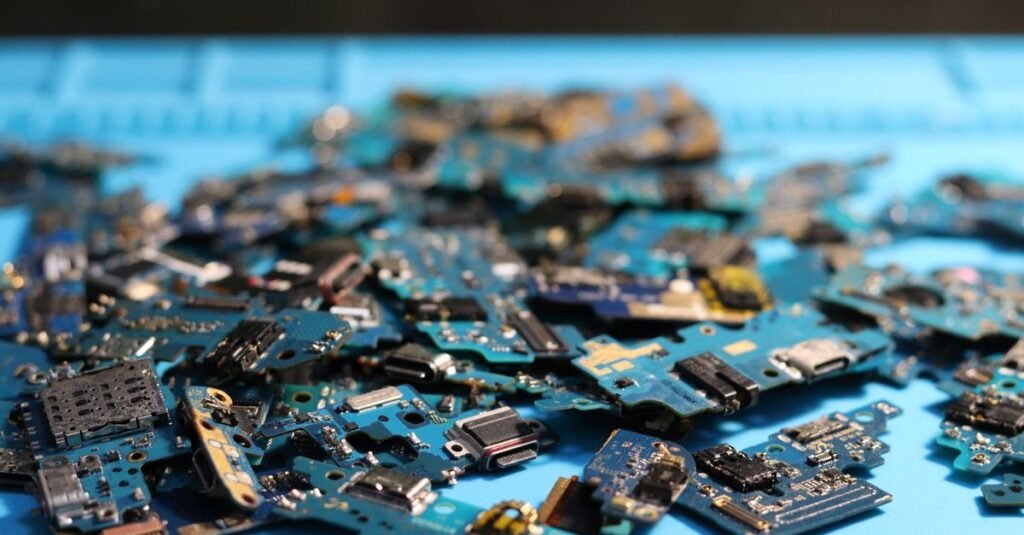
Sustainability initiatives help reduce electronic waste, extend device lifecycles, support circular economy practices, and improve resource efficiency across the electronics repair, refurbishment, and recycling industries.
Why Sustainability Matters
Sustainable electronics practices help businesses reduce waste, conserve resources, extend product lifecycles, and create long-term environmental and economic value.


Key Sustainability Initiatives
Sustainability programs focus on reducing waste, extending device lifecycles, and improving environmental performance throughout the electronics supply chain.
- Electronic Waste Reduction
- Device Refurbishment Programs
- Circular Economy Strategies
- Responsible Recycling Practices
- Product Lifecycle Extension
- Resource Recovery Operations
- Sustainable Supply Chains
Industry Applications
Sustainability initiatives support manufacturers, repair providers, refurbishment facilities, recyclers, and organizations seeking environmentally responsible operations.
- Electronics Repair Services
- Device Refurbishment Programs
- E-Waste Recycling Operations
- Asset Recovery Programs
- Enterprise Sustainability Projects
- Circular Economy Initiatives
- Sustainable Product Management
Sustainability Insights
Explore sustainability strategies, environmental initiatives, and industry practices that support responsible electronics lifecycle management.
F.A.Q.
Sustainability
Sustainability focuses on reducing waste, conserving resources, and extending product lifecycles through responsible practices.
Electronic waste contains valuable materials and potentially harmful substances that require responsible management.
Refurbishment extends device lifecycles and reduces the need for new manufacturing.
A circular economy promotes reuse, repair, refurbishment, and recycling to maximize product value.
Repair keeps products in service longer and reduces waste generation.
Recycling helps recover materials and supports sustainable resource management.
They improve efficiency, reduce waste, strengthen brand reputation, and support environmental goals.
Industry efforts continue to focus on lifecycle management, resource recovery, and circular economy practices.
Related Articles
No posts found.