
Refurbished Parts
Refurbished parts provide cost-effective and sustainable solutions for repair businesses, refurbishment centers, distributors, and resale operations. Professionally tested and graded components help extend device lifecycles while supporting quality standards across the electronics supply chain.
Refurbished Parts Supply Chain Value
Refurbished components play a vital role in the circular electronics economy, supporting repair businesses, refurbishment centers, distributors, and sustainability initiatives worldwide.


Popular Refurbished Part Categories
Refurbished components support repair, refurbishment, resale, and device lifecycle extension programs.
- Refurbished LCD & OLED Displays
- Refurbished Batteries
- Refurbished Camera Modules
- Refurbished Charging Components
- Refurbished Housing Assemblies
- Refurbished Logic Boards
- Refurbished Small Parts
- Certified Refurbished Components
Industry Applications
Refurbished components are widely used across repair, refurbishment, resale, and sustainability-focused operations.
- Mobile Repair Shops
- Refurbishment Centers
- Device Resellers
- Electronics Distributors
- Wholesale Suppliers
- Quality Control Programs
- Device Recycling Operations
- Circular Economy Initiatives
Refurbished Parts Market Insights
Track refurbishment trends, quality standards, supplier capabilities, grading systems, and sourcing opportunities across the global electronics industry.
F.A.Q.
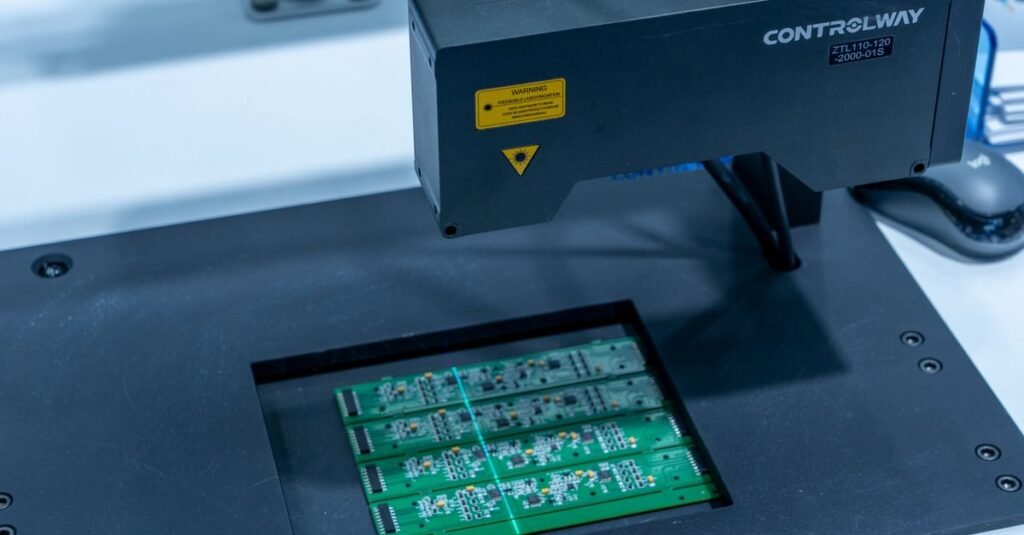
Refurbished parts are previously used components that have been inspected, tested, repaired when necessary, and restored to functional condition for reuse.
Testing procedures may include functional inspections, cosmetic grading, performance verification, and quality control assessments to ensure reliability.
High-quality refurbished parts can provide reliable performance when sourced from reputable suppliers and supported by proper testing procedures.
Used parts are typically sold as-is, while refurbished parts undergo inspection, testing, cleaning, and quality verification before resale.
Distributors assess suppliers based on grading standards, testing procedures, product consistency, quality control systems, and supply chain reliability.
Pricing depends on part condition, grading level, testing standards, availability, device compatibility, and market demand.
Refurbished components help reduce electronic waste, conserve resources, extend product lifecycles, and support circular economy initiatives.
Industry trends include increased demand for refurbished devices, stricter quality standards, sustainability initiatives, and growth in secondary electronics markets.
Related Articles
No posts found.