
Repair Machines
Professional repair machines improve efficiency, accuracy, and consistency across electronics repair, refurbishment, PCB rework, and manufacturing operations.
Repair Machines for Electronics Operations
Repair machines play a critical role in modern electronics repair and refurbishment. They help technicians improve productivity, reduce manual processes, and achieve consistent repair results across high-volume operations.
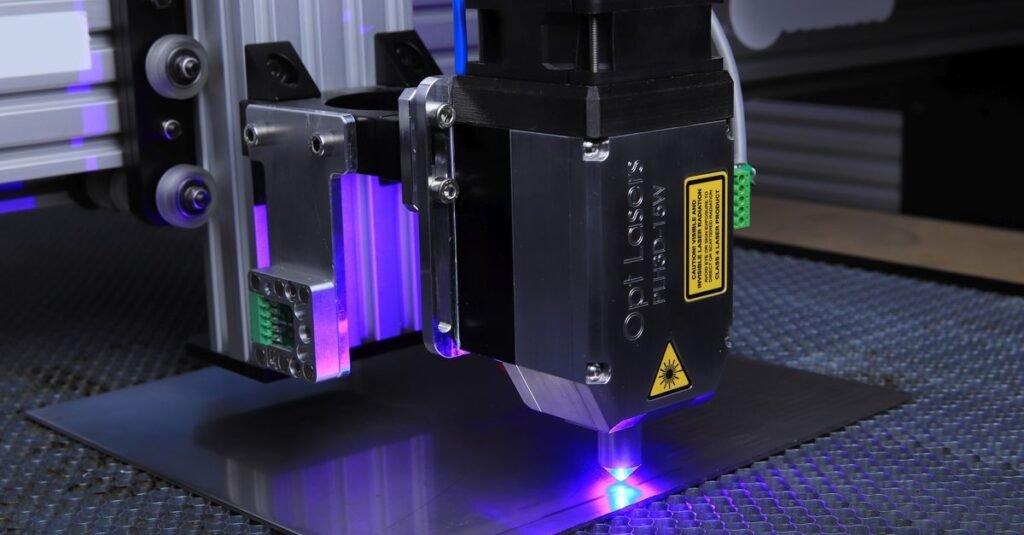

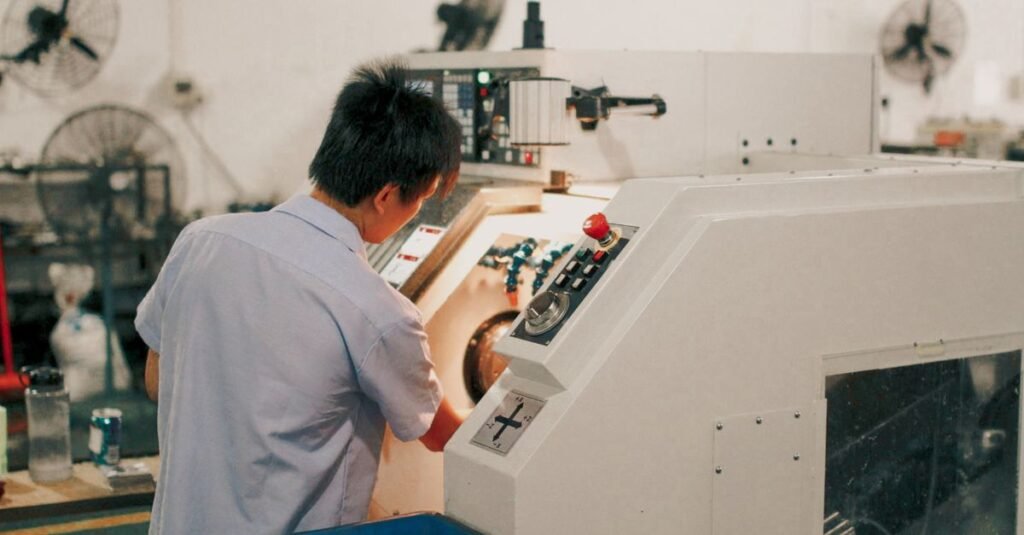
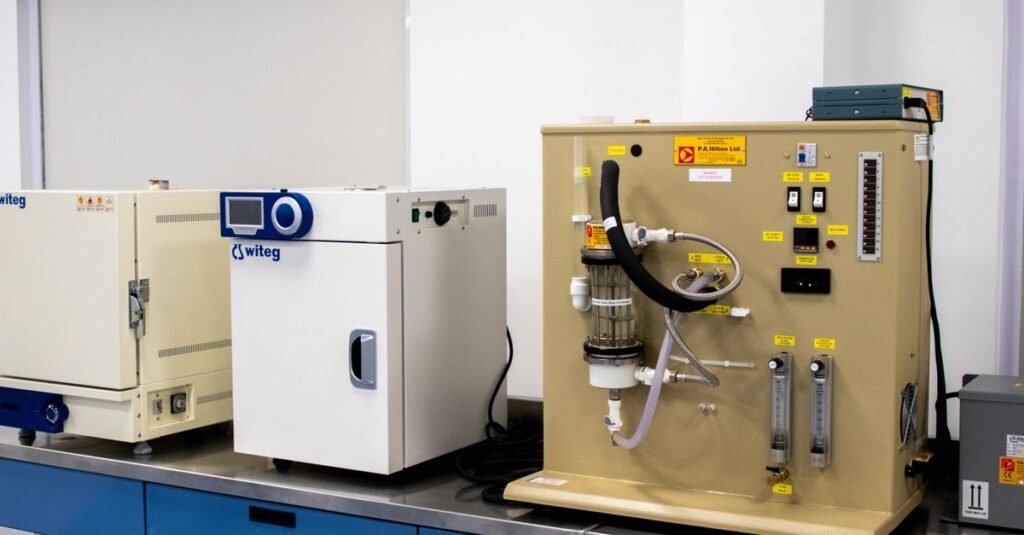
Common Repair Machine Solutions
Electronics repair facilities use a variety of specialized machines designed to improve efficiency, consistency, and repair quality.
- Laser Machines
- Screen Separators
- Laminating Machines
- Bubble Removal Machines
- Back Glass Removal Systems
- Frame Alignment Equipment
- Refurbishment Machines
- Automation Equipment
Electronics Industry Applications
Repair machines support a wide range of electronics repair, refurbishment, manufacturing, and quality control operations.
- Mobile Device Repair Centers
- Display Refurbishment Facilities
- PCB Rework Laboratories
- Refurbishment Centers
- Electronics Manufacturing Plants
- Quality Control Facilities
- Technical Training Centers
- OEM Repair Operations
Repair Machines & Production Efficiency
Selecting the right repair machines depends on repair volume, production requirements, workflow efficiency goals, and refurbishment applications.
F.A.Q.
Repair machines support electronics repair, refurbishment, PCB rework, display restoration, and manufacturing processes.
Laser machines are commonly used for back glass removal and precision marking applications.
Common equipment includes separators, laminators, bubble removers, and alignment systems.
Laminating systems help restore damaged displays by bonding replacement glass and display assemblies.
Bubble removal machines eliminate trapped air between display layers after lamination.
Yes. Professional repair machines improve consistency and efficiency in large-scale refurbishment environments.
Factors include repair volume, workflow requirements, equipment capabilities, and return on investment.
Electronics repair, refurbishment, manufacturing, quality control, and aftermarket service operations all rely on repair equipment.
Buyers typically assess production capacity, machine reliability, automation features, maintenance requirements, and compatibility with existing repair workflows.
Related Articles
No posts found.