
Burn-In Testing
Burn-in testing verifies the long-term reliability of electronic devices by operating them under controlled stress conditions. It helps identify early hardware failures, improve product quality, and reduce warranty returns before products reach customers.
Why Burn-In Testing Matters
Burn-in testing exposes electronic devices to continuous operation before shipment, helping manufacturers and refurbishment facilities detect hidden defects, improve reliability, and ensure consistent product performance.
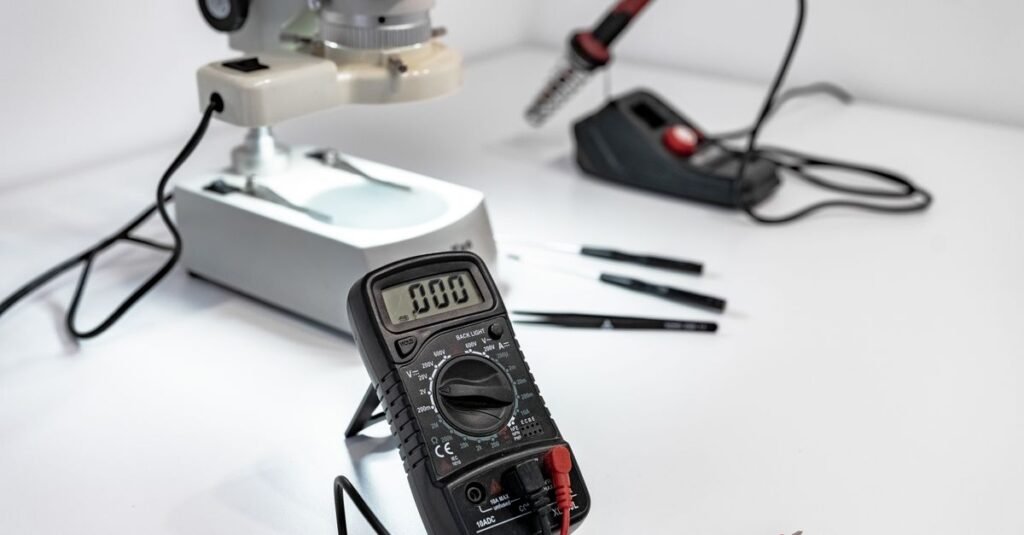
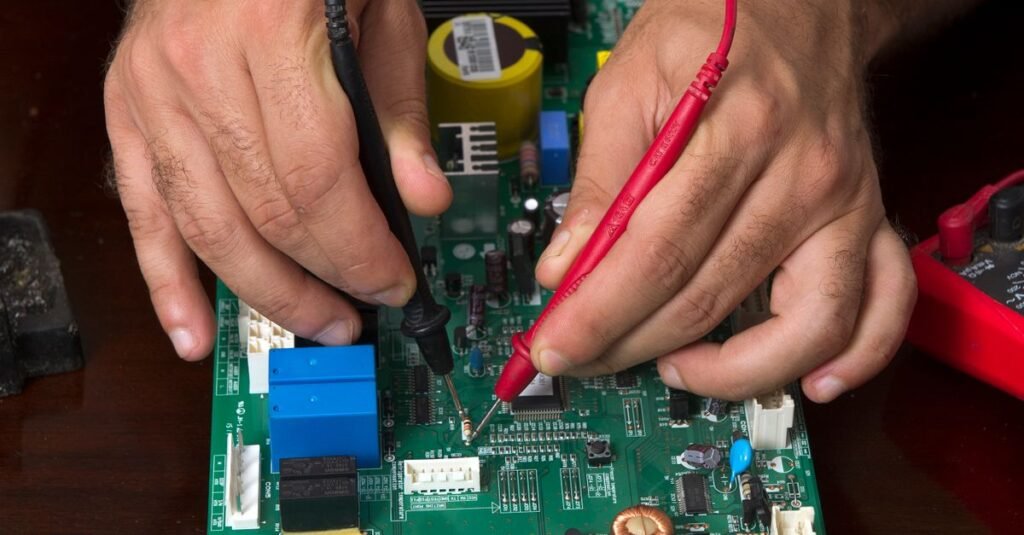
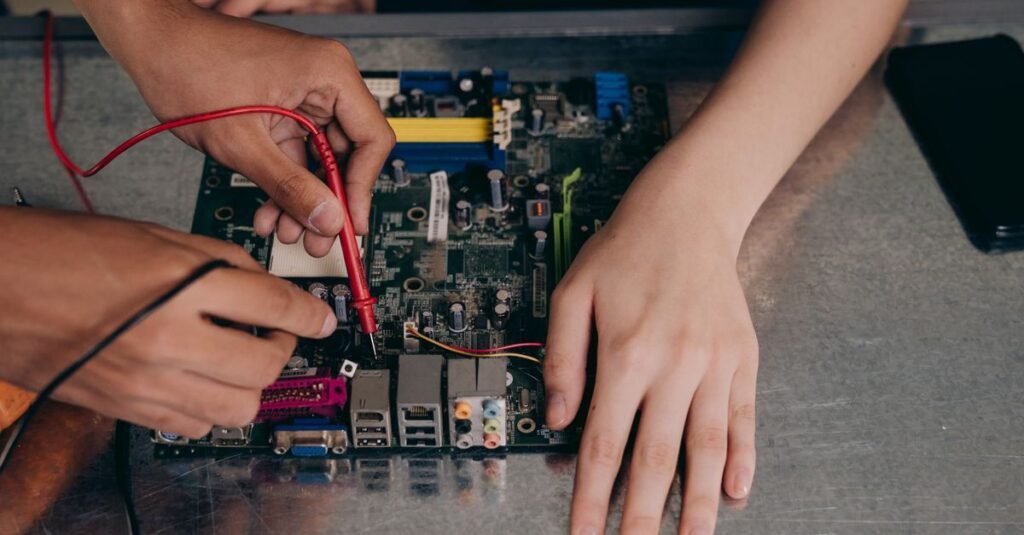
Burn-In Testing Procedures
Burn-in testing follows standardized procedures designed to verify product stability under continuous operating conditions before devices are approved for shipment.
nn- n
- Continuous Power Cycling n
- CPU & Memory Stress Testing n
- Battery Charge & Discharge Cycles n
- Thermal Performance Testing n
- Display Continuous Operation n
- Extended Functional Verification n
- Failure Monitoring & Logging n
Applications Across Industries
Burn-in testing is widely used in manufacturing, refurbishment, repair, and quality control environments where product reliability is essential.
nn- n
- Mobile Device Refurbishment n
- Consumer Electronics Manufacturing n
- Motherboard Repair Centers n
- OEM Production Facilities n
- Quality Control Laboratories n
- Enterprise Device Processing n
- Electronics Service Centers n
Improve Product Reliability with Burn-In Testing
Continuous stress testing helps manufacturers identify hidden defects, improve long-term stability, reduce product failures, and strengthen overall quality control across production and refurbishment operations.
F.A.Q.
Burn-in testing is a controlled stress-testing process that operates electronic devices continuously to identify early hardware failures before shipment.
It improves product reliability, reduces warranty claims, and ensures devices perform consistently under extended operating conditions.
The duration varies by product, ranging from several hours to multiple days depending on testing requirements.
Smartphones, tablets, laptops, motherboards, batteries, displays, and other electronic devices commonly undergo burn-in testing.
It helps identify overheating, unstable power circuits, defective components, intermittent failures, and other reliability issues.
No. Properly controlled burn-in testing verifies reliability without harming products that meet manufacturing specifications.
Functional testing confirms that a device works correctly, while burn-in testing verifies that it remains stable during extended operation.
It removes unstable products before shipment, improving product consistency, reducing returns, and increasing customer confidence.
Related Articlesn
No posts found.