
Functional Testing
Comprehensive functional testing verifies displays, batteries, cameras, connectivity, and other critical device functions before shipment, helping reduce failures, improve product quality, and increase customer satisfaction.
Why Functional Testing Matters
Functional testing confirms that every major hardware component operates as expected before devices are approved for resale, reducing defects and improving refurbishment quality.
Functional Testing Checklist
Functional testing follows standardized inspection procedures to verify that every major hardware and software feature operates correctly before products are shipped.
nn- n
- Display & Touchscreen Testing n
- Battery Health Verification n
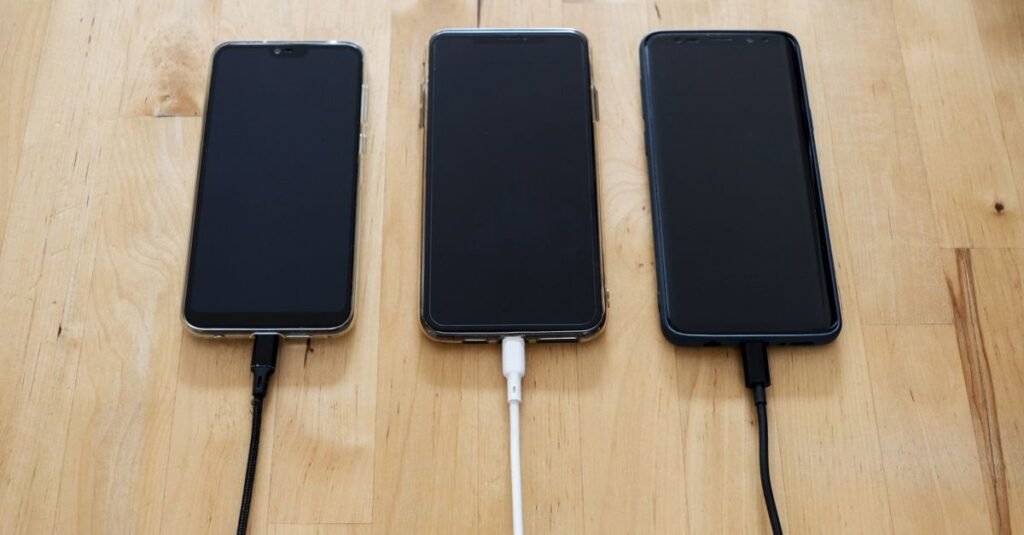
- Charging Port Inspection n
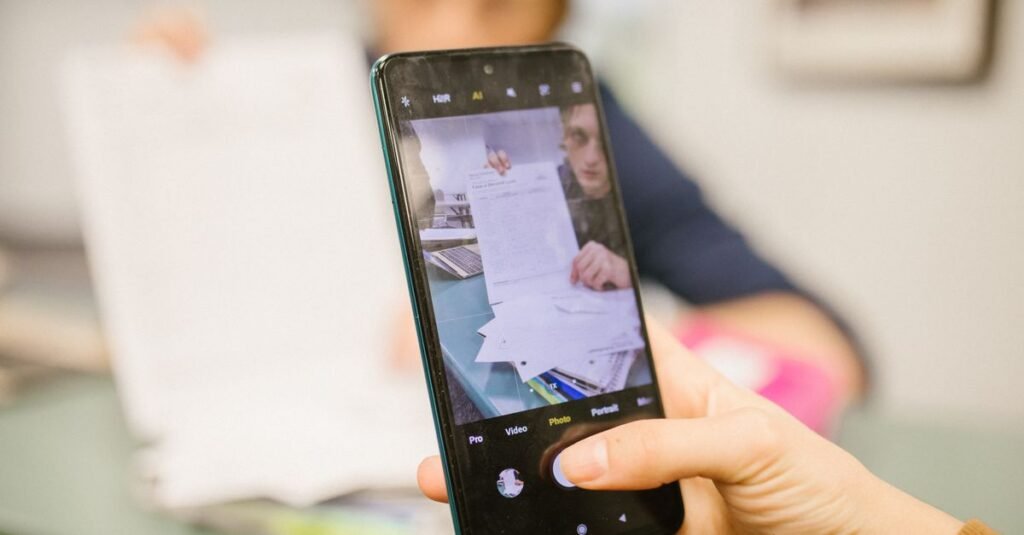
- Camera Function Testing n
- Speaker & Microphone Testing n
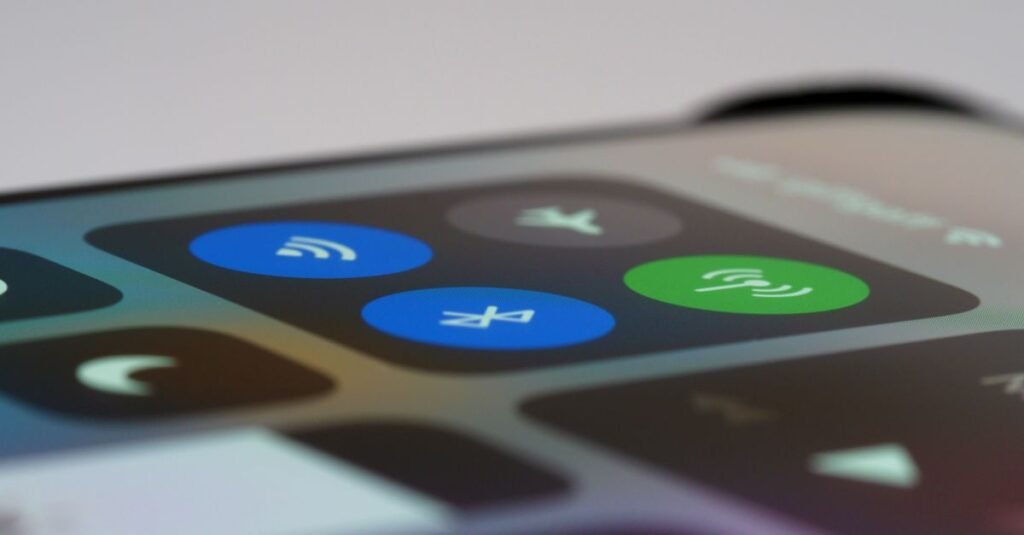
- Wireless Connectivity Verification n
- Button & Sensor Testing n
Common Testing Applications
Functional testing is performed throughout refurbishment, manufacturing, repair, and quality control operations to ensure reliable device performance.
nn- n
- Mobile Phone Refurbishment n
- Tablet Processing Centers n
- Laptop Refurbishment n
- Repair Service Centers n
- OEM Manufacturing n
- Quality Control Laboratories n
- Device Trade-In Programs n
Improve Product Reliability Through Functional Testing
Functional testing verifies every critical hardware and software feature before shipment, reducing failures, improving product consistency, and supporting high-quality refurbishment standards.
F.A.Q.
Functional testing verifies that all major hardware and software features operate correctly before a device is released.
Displays, touchscreens, batteries, cameras, speakers, microphones, buttons, sensors, charging ports, and wireless connectivity.
It ensures products work as expected, reduces customer returns, and improves overall product quality.
Yes. Battery capacity, charging performance, and power stability are commonly evaluated.
Yes. Functional testing evaluates device performance, while cosmetic grading evaluates physical appearance.
Testing time varies depending on the product and testing procedures, ranging from several minutes to over an hour.
Technicians use diagnostic software, testing fixtures, measurement instruments, and manual inspection procedures.
Quality control inspectors, refurbishment technicians, and manufacturing engineers perform functional testing before shipment.
Related Articlesn
No posts found.