
Refurbishment & Quality Control
Professional refurbishment workflows, quality control standards, testing procedures, and grading systems designed to support consistent repair and refurbishment operations.
Refurbishment & QC Categories
Explore the key quality assurance and refurbishment processes used to improve consistency, reliability, and product performance.

Burn-In Testing
Extended testing procedures designed to identify potential failures before products reach customers.
Explore Burn-In Testing

Cosmetic Grading
Standardized cosmetic assessment methods used to classify product appearance and condition.
Explore Cosmetic Grading

Functional Testing
Verification procedures used to ensure critical functions perform according to expected standards.
Explore Functional Testing
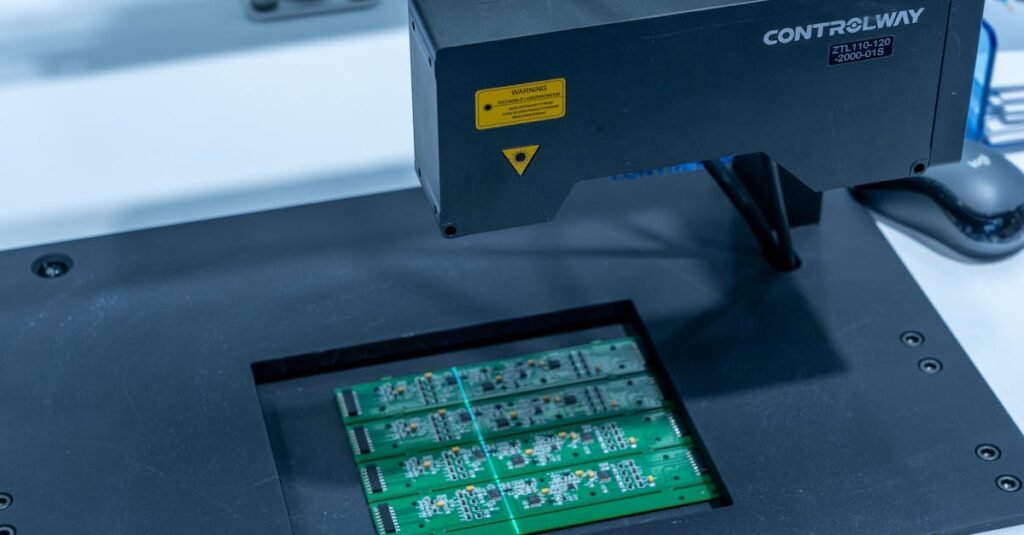
Product Grading
Structured grading systems designed to help businesses balance quality, pricing, and customer expectations.
Explore Product Grading
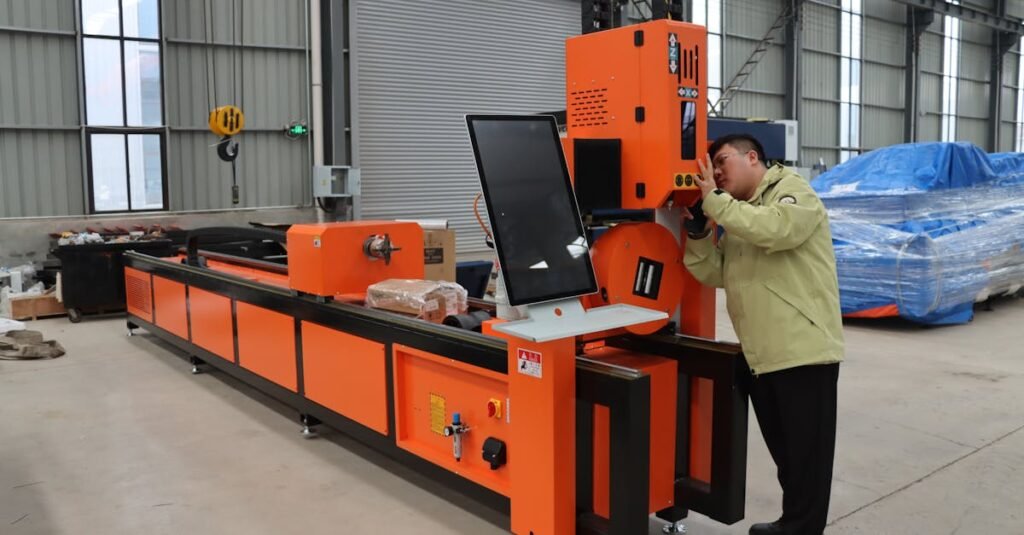
Standards
Quality control frameworks used to improve consistency across sourcing and refurbishment operations.
Explore QC Standards

Supplier Verification
Supplier evaluation processes designed to improve sourcing reliability and reduce quality risks.
Explore Supplier Verification

Testing Methods
Testing methodologies used to evaluate product performance, durability, and reliability.
Explore Testing Methods
Common Quality Challenges
Repair businesses and refurbishment operations require consistent quality standards to reduce returns, improve customer satisfaction, and maintain operational efficiency.
-
Inconsistent product quality -
High return rates -
Supplier variability -
Cosmetic grading disputes -
Functional failures -
Quality assurance gaps
MRG Quality Control Solutions
MRG Platform supports businesses with structured testing workflows, grading systems, supplier verification processes, and quality control resources.
-
Product grading -
Functional testing -
Burn-in testing -
Supplier verification -
QC workflows -
Inspection standards
Who We Serve
Supporting Every Segment of the Repair Industry
MRG Platform provides sourcing, quality control, refurbishment, and supply chain solutions for businesses across the repair ecosystem.
Repair Shops
Independent repair businesses seeking reliable parts, tools, and technical support.
Refurbishment Companies
Organizations focused on device refurbishment, grading, testing, and resale operations.
Enterprise Repair Providers
Large-scale service organizations managing corporate device fleets and repair programs.
Schools & Education Programs
Educational institutions managing student devices and technology repair initiatives.
Insurance Repair Networks
Repair partners supporting insurance claims and device replacement programs.
Electronics Distributors
Businesses sourcing repair components, accessories, and refurbishment inventory.
Quality You Can Trust
Improve consistency, reduce returns, and strengthen customer confidence through structured refurbishment and quality control processes.
Explore QC Solutions
F.A.Q.
Why is quality control important in refurbishment?
Quality control helps ensure consistent product performance, reduce return rates, and improve customer satisfaction.
What is product grading?
Product grading is a structured method of classifying products based on cosmetic condition, functionality, and overall quality.
What is burn-in testing?
Burn-in testing is a process used to identify potential failures by operating devices under controlled conditions for extended periods.
How does supplier verification improve quality?
Supplier verification helps businesses identify reliable sourcing partners and reduce quality-related risks.
Who benefits from refurbishment and QC processes?
Repair shops, refurbishment companies, distributors, enterprise service providers, and supply chain partners.